Latest Post

Ghungroo or dancing bells are musical anklets tied to the feet of classical Indian dancers. A string of ghungroos can range from 10 to 200 bells knotted together. Ghungroos are worn in traditional performances of the classical Indian dance forms. These ghungharus are globular bells each about 2 cm in diameter. Dancers string them on ropes or sew them onto cloth or leather strips and wear them around ankles. Larger ghungroos may be strung on a circle of wire and shaken as accompaniment to a song. They are often fixed to other instruments to add to the sound. The bells are decorative in themselves and the cords strung are often bright and finished with tassels.
Dancing Bells Kathak Ghungroo Pair Handmade Indian Classical Dance Accessories
There are two common forms of the ghungroo. In traditional form it is merely a number of bells woven together on a cotton string or cords. And the same are used in dance forms like Kathak. But these types for anklets are not cozy for dancers to wear. In modern for these ghungroos are stitched to a padded cushion made of soft cloth like velvet or soft leather to make them easy to wear. This may then be strapped to the feet of a dancer.

Classical Indian hand percussion Damru is well known folk instrument for drumming in all over India. Damru is mainly made in wood, metal or skull with both ends covered by animal skin (goat skin) crossed tied-up strings or cords made from cotton, leather or jute. Damru is an hour glass shaped drum, typically played with the bare hands, a player wave the instrument by twisting the wrist back and forth. A Damru player adjusts the pitch of the instrument by adjusting the pressure that is applied to these strings.
Damru
Damro is associated with Hindu God Lord Shiva, it is Lord Shiva favourite musical instrument that is why Damru is also known as a power drum, which invokes spiritual energy.

Karatal is a hand percussion instrument from India. This karatal pair is another form of manjira or hand cymbal. This kartal pair is consist of a wooden frame with two long, straight handles that connect to each other with two short wooden handles; the open space between the long handles has a wooden separator that separates two rows of three brass cymbal. There are also small cymbals fixed into wood blocks forming another type of instrument.
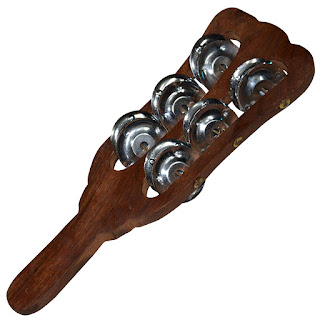
DronaIndia Hand Percussion Cymbals Jhika Indian Musical Instrument


Product description

The tambourine is a musical instrument in the percussion family consisting of a frame, often of wood or plastic, with pairs of small metal jingles, called "zils". Classically the term tambourine denotes an instrument with a drumhead, though some variants may not have a head at all. Tambourines are often used with regular percussion sets. They can be mounted, but position is largely down to preference.
Tambourines come in many shapes with the most common being circular. It is found in many forms of music: Turkish folkmusic, Greek folk music, Italian folkmusic, classical music, Persianmusic, gospelmusic, pop music and rockmusic.
Tambourine
Timbrel or tabret (the tof of the ancient Hebrews, the deff of Islam, the adufe of the Moors of Spain), the principal musical instrument of percussion of the Israelites, similar to the modern tambourine.

Ghungroo or dancing bells are musical anklets tied to the feet of classical Indian dancers. A string of ghungroos can range from 10 to 200 bells knotted together. Ghungroos are worn in traditional performances of the classical Indian dance forms. These ghungharus are globular bells each about 2 cm in diameter. Dancers string them on ropes or sew them onto cloth or leather strips and wear them around ankles. Larger ghungroos may be strung on a circle of wire and shaken as accompaniment to a song. They are often fixed to other instruments to add to the sound. The bells are decorative in themselves and the cords strung are often bright and finished with tassels.
Ghungroo
Ghungroo
There are two common forms of the ghungroo. In traditional form it is merely a number of bells woven together on a cotton string or cords. And the same are used in dance forms like Kathak. But these types for anklets are not cozy for dancers to wear. In modern for these ghungroos are stitched to a padded cushion made of soft cloth like velvet or soft leather to make them easy to wear. This may then be strapped to the feet of a dancer.


A ghungroo also known as ghunghroo or ghunghru or ghungur is one of many small metallic bells strung together to form ghungroos, a musical anklet tied to the feet of classical Indian dancers.The sounds produced by ghungroos vary greatly in pitch depending on their metallic composition and size. Ghungroos serve to accentuate the rhythmic aspects of the dance and allow complex footwork to be heard by the audience. They are worn immediately above the ankle, resting on the lateral malleolus and medial malleolus. A string of ghungroos can range from 50 to greater than 200 bells knotted together. A novice child dancer may start with 50 and slowly add more as he or she grows older and advances in his or her technical ability. Ghungroos or salangais are worn in traditional performances of the classical Indian dance forms: Bharatnatyam, Kathak, Kuchipudi, Lavani and Odissi etc.
Dancing Bells Kathak Ghungroo Pair Handmade Indian Classical Dance Accessories

Hindu God statues and sculptures add to the well being of one's house and is also a great source of decoration. They are usually priced as per the material and craftsmanship. Some of the most popular god statues include goddess Lakshmi statue, Ram Statues, Vishnu statues, Lord Ganesha, Lord Shiva, Lord Buddha, Goddess Durga etc. Out of these Lord Ganesha's statue is one the most popular and common sculpture which could be found in almost all Hindu Homes.
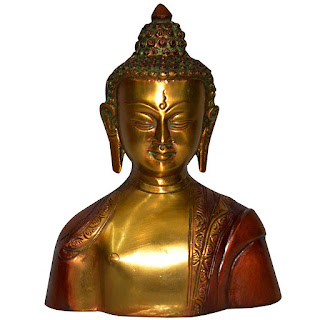
 Lord Buddha
Brass, a perfect union of copper and zinc, is used since 500 BC. Our exquisite collection of brass statues captures the eternal, ethereal beauty of brass in timeless pieces of art. An art form that can enhance the ornate allure of interiors be it home, office or just about any place. No tastefully done interior is complete without a brass statue or sculpture. Connoisseurs place brass artwork in all together a different bracket, defined by no other art form. These religious statues are perfect imitation of our artisans skill.
Indian artisans make various types of brass artifacts, acclaimed as much for their beauty and strength of form as their utility. Highly skilled artisans, put in their greatest devotion to render- fine quality, impeccable finish and a graceful persona to the sculptures.

Hindu God statues and sculptures add to the well being of one's house and is also a great source of decoration. They are usually priced as per the material and craftsmanship. Some of the most popular god statues include goddess Lakshmi statue, Ram Statues, Vishnu statues, Lord Ganesha, Lord Shiva, Lord Buddha, Goddess Durga etc. Out of these Lord Ganesha's statue is one the most popular and common sculpture which could be found in almost all Hindu Homes.
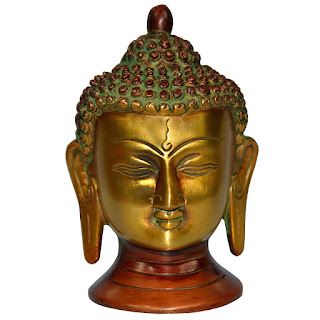
DronaCraft Buddhist Buddha Head Brass Statue
Brass, a perfect union of copper and zinc, is used since 500 BC. Our exquisite collection of brass statues captures the eternal, ethereal beauty of brass in timeless pieces of art. An art form that can enhance the ornate allure of interiors be it home, office or just about any place. No tastefully done interior is complete without a brass statue or sculpture. Connoisseurs place brass artwork in all together a different bracket, defined by no other art form. These religious statues are perfect imitation of our artisans skill.
Indian artisans make various types of brass artifacts, acclaimed as much for their beauty and strength of form as their utility. Highly skilled artisans, put in their greatest devotion to render- fine quality, impeccable finish and a graceful persona to the sculptures.

Ghungroo or dancing bells are musical anklets tied to the feet of classical Indian dancers. A string of ghungroos can range from 10 to 200 bells knotted together. Ghungroos are worn in traditional performances of the classical Indian dance forms. These ghungharus are globular bells each about 2 cm in diameter. Dancers string them on ropes or sew them onto cloth or leather strips and wear them around ankles. Larger ghungroos may be strung on a circle of wire and shaken as accompaniment to a song. They are often fixed to other instruments to add to the sound. The bells are decorative in themselves and the cords strung are often bright and finished with tassels.
There are two common forms of the ghungroo. In traditional form it is merely a number of bells woven together on a cotton string or cords. And the same are used in dance forms like Kathak. But these types for anklets are not cozy for dancers to wear. In modern for these ghungroos are stitched to a padded cushion made of soft cloth like velvet or soft leather to make them easy to wear. This may then be strapped to the feet of a dancer.
Classical Dance Accessories

Lord Buddha
Hindu God statues and sculptures add to the well being of one's house and is also a great source of decoration. They are usually priced as per the material and craftsmanship. Some of the most popular god statues include goddess Lakshmi statue, Ram Statues, Vishnu statues, Lord Ganesha, Lord Shiva, Lord Buddha, Goddess Durga etc. Out of these Lord Ganesha's statue is one the most popular and common sculpture which could be found in almost all Hindu Homes.
Brass, a perfect union of copper and zinc, is used since 500 BC. Our exquisite collection of brass statues captures the eternal, ethereal beauty of brass in timeless pieces of art. An art form that can enhance the ornate allure of interiors be it home, office or just about any place. No tastefully done interior is complete without a brass statue or sculpture. Connoisseurs place brass artwork in all together a different bracket, defined by no other art form. These religious statues are perfect imitation of our artisans skill.
Indian artisans make various types of brass artifacts, acclaimed as much for their beauty and strength of form as their utility. Highly skilled artisans, put in their greatest devotion to render- fine quality, impeccable finish and a graceful persona to the sculptures.


Singing bowl in brass metal produces sounds which invokes a deep state of relaxation, this naturally assists one in entering into meditation. These are a quintessential aid to meditation, and can be found on private Buddhist altars, in temples, monasteries and meditation halls throughout the world. Each bowl comes with a colorful cushion and a stick. This oriental artistic looking singing bowl helps you decorate sacred parts of your home in Buddhist way. And when you are in the mood, just play on this bowl to achieve much needed serenity.
Tibetan Meditation Singing Bowl

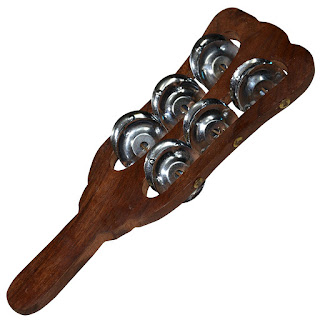
Karatal is a hand percussion instrument from India. This karatal pair is another form of manjira or hand cymbal. This kartal pair is consist of a wooden frame with two long, straight handles that connect to each other with two short wooden handles; the open space between the long handles has a wooden separator that separates two rows of three brass cymbal. There are also small cymbals fixed into wood blocks forming another type of instrument.
Jhika

Contact Form

Name

Email *

Message *

Powered by Blogger.
Javascript DisablePlease Enable Javascript To See All Widget